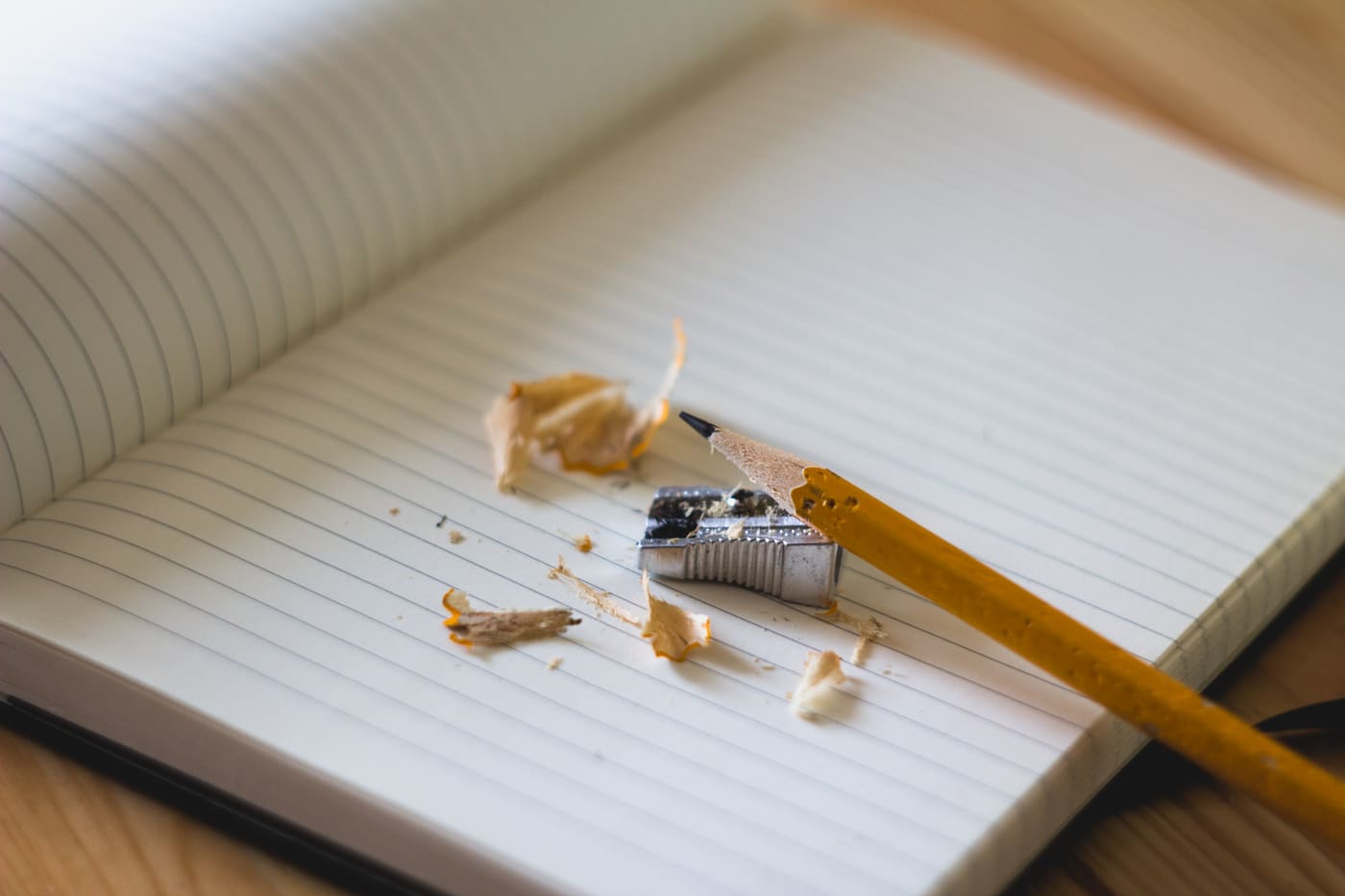
A page small enough to begin
A pocket notebook is useful because it asks so little of a moment. There is no desk to clear and no perfect opening sentence to find. A few words about the light on a wall, the name of a tree to look up later, or the shape of an unfamiliar hinge are enough. The book is a place to catch an observation before it becomes an interpretation.
Choose a size you will actually carry. A notebook that fits a coat pocket but not a summer pocket may become a seasonal habit. Before buying anything, fold a few sheets of ordinary paper to the proposed size and carry them for a week. Notice where they bend and whether you can write on them while standing.
Give the note a return address
Put the date and place at the top of a new entry. Add a weather note only when it matters to what you are recording. These details let a short sentence recover its setting months later. "Blue flowers by the bridge" becomes more useful with a street name, a season, and a quick leaf sketch.
Keep observation and guesswork separate. Write "three narrow leaves at each junction" before "perhaps bedstraw." A question mark is not a failure of attention; it preserves the possibility of learning something. Leave enough room to add a correction without erasing the original thought.
Make a modest review habit
At the end of the week, read the pages once. Circle things that need action and copy only those to a task list. Give recurring subjects a short index on the inside back cover: birds, buildings, phrases, routes. Page numbers do more work than an elaborate system of colored tabs.
Let the rest stay where it is. Not every observation must become a project, a photograph, or a polished essay. The notebook has already done something worthwhile if it helped you look closely for a minute. A useful field book is a record of attention, including the unfinished parts.